Can homo-sapiens be the catalyst for abundance and a thriving ecosystem?
TOTAL READ TIME: 4 Minutes
I’m perplexed and pained. We live in a world so beautiful – a planet ultimately designed to enable humans to thrive. Each generation of humans work so hard and do their best for the next generation – yet we find ourselves in a perpetual cycle of despair. We have dirty streets, dilapidated buildings and crime in our cities. The builders of ancient times created structures that are still here for us to enjoy – yet the house we built just three decades ago is in need of repair and remodel. To top things off, the stove we bought just last year has broken down.
We put McDonalds into a community and then the two-generation family pizzeria needs to shut down. Wal-Mart enters a community and devastates even more – from fashion to tire shops to vision centers to local pharmacy. When we decide to stop investing in parks and sidewalks, the community health declines, crime increases and the economy depletes.
Dr. Zach Bush has provided my inspiration for today’s contemplation – what will it take for humans to become a keystone species? What will it take for us make life exponentially better, just by us being part of it?
A keystone species is one that has a disproportionately large effect on its natural environment to flourish. The concept was introduced in 1969 by the zoologist Robert T. Paine. Keystone species play a critical role in maintaining an ecological community, affecting many other organisms in an ecosystem. When a keystone species is removed, the entire ecosystem is affected, sometimes ceasing to exist altogether. A profound story of this is the near extinction of the wolf and their intentional return in Yellowstone National Park.
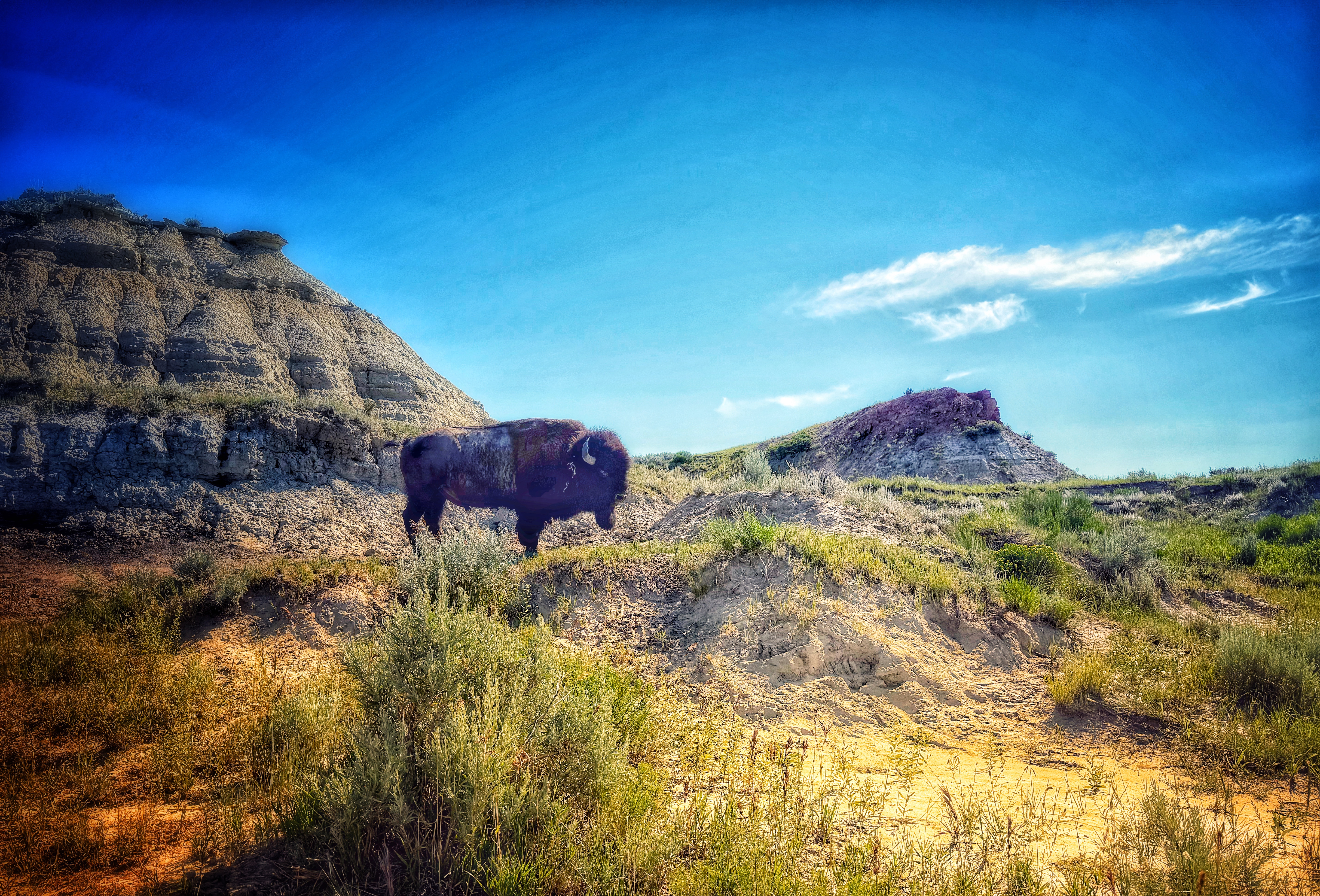
Bison are also considered a keystone species in North America. The American buffalo can weigh more than a ton and stand taller than six feet and ten feet long. Despite this they can run thirty-five miles per hour and can maintain that pace for more than ten miles*. Why are they a keystone species? We’ll start with their output. They urinate gallons of fluid every day, providing important nutrients to the soil, microbes and insects, like nitrogen, phosphorus, sulfur and magnesium. They produce 10-12 quarts of dung per day as well. This fertilizer beneficially impacts the soil and feed insects, which feed small birds, and so on, and so on.
Bison create wallows, which are small rounds in the earth that they create by rolling and digging in the dirt to shed their coats and dust off insects. This supports other life forms by creating shallow pools of water after it rains. An edible plant called lamb’s quarters would grow in here, feeding and nurturing Native Americans (leaves are nutrient rich, and the seeds are considered wild quinoa). Finally, bison don’t destroy the grasslands; they enrich and rebuild it through grazing, letting it rest from production so it can build its root structure.
Some believe that we are at a critical juncture of humanity’s history: Our human species will either perish or go through metamorphosis. If you believe this, then the only question is, can we become a keystone species? Can we live in such a way that makes our land, communities, economies and ecosystems, thrive?
I choose to believe that we can be a keystone species. I see evidence all around us. For example, Judy Wicks started a small restaurant thirty years ago in Philadelphia. She wanted to see her community flourish, so she decided to buy meat from a local pork producer, then produce from a local farmer, and so on, and so forth. She ended up founding the farm-to-table movement all throughout Philadelphia, then built several non-profit organizations to help her community flourish. (Read more about this local legend here.)
Jane Golden is showing us more evidence of how to become a keystone species. In the 1980s, Philadelphia was over-taken by crime and graffiti. Out of love for her home city, she decided to launch a mural arts program – with a broad vision to revitalize the city’s beauty through art. When gangs started to “tag” her beautiful artwork – she took a bold move and decided to hire the very graffiti artists that were ruining her murals. What resulted is one of the world’s most prolific mural arts programs, with hundreds of murals dotting the cityscape. A jaw-dropping coincidence? Both crime and graffiti dramatically declined. (Read about Jane Golden here, or better yet, come to Philadelphia and take in a mural art tour.)
You see? This is our metamorphosis. There is already strong evidence that we are becoming a keystone species. What else can you and I do today to join the movement?
*Bison facts taken from the book Blood Memory: The tragic decline and improbable resurrection of the American buffalo, by Dayton Duncan and Ken Burns.